


News Center
--
Because of the reform and the birth, because of the reform and prosperity, because of the reform and strong
Prefabrication Processes and On-Site Management of Concrete Components
Dec 23,2021
Precast concrete components Its production constitutes an important ancillary component in the later stages of high-speed railway subgrade engineering. The widespread use of precast components has accelerated the commercialization of such products, while also simplifying on-site construction, reducing the scope of work, and facilitating targeted management. In modern railway ancillary works, concrete masonry units are increasingly selected for many prefabricated elements, including subgrade slope framework protection, drainage ditches, protective fences and railings, cable trenches, and bridge deck appurtenances. This approach further refines railway engineering, aligning with the requirements of contemporary construction practices and enabling rational site management. Next, let us explore the manufacturing processes for precast concrete components and their on-site management.
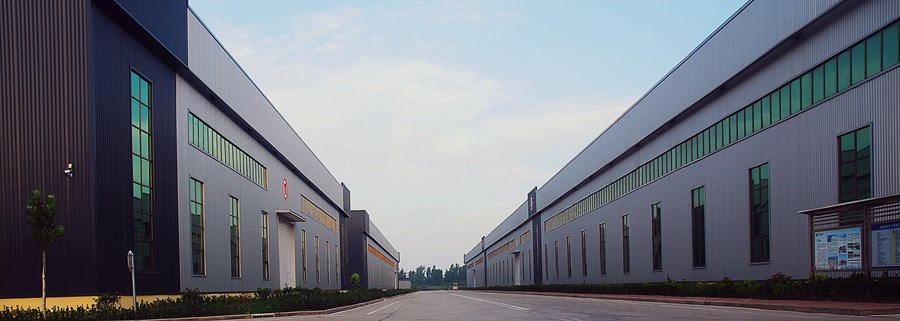
Selection and Requirements for Concrete Precast Component Construction Sites
During the precasting process, the site selection for the precast yard should prioritize transportation convenience and be located as close as possible to the placement and installation area. The optimal layout is determined primarily by the mold turnover cycle (i.e., the curing period for each batch of finished products), the number of construction crews, and the project’s demand for precast components. The finished-product storage area must meet load-bearing requirements, with the curing zone precisely leveled to prevent deformation of the precast elements within the molds. Temporary drainage facilities should also be installed on the ground. The overall site layout should be designed to maximize construction efficiency and productivity, and construction may proceed only after passing the relevant inspections and acceptances.
Raw Materials for Concrete
The primary materials used in precast concrete components include cement, fly ash, admixtures, sand, and crushed stone.
Precast concrete components The cement used is predominantly silicate cement and ordinary silicate cement. Upon arrival at the site, cement shall be reclassified and inspected based on its type, grade, packaging or bulk storage bin number, and date of manufacture. During use, a retest shall be conducted; if there are doubts about the cement quality or if more than three months have elapsed since the cement was manufactured (or more than one month for rapid-hardening cement), it shall be used only in accordance with the results of the retest.
Fly ash used in conjunction with the aforementioned types of cement for precast concrete components is predominantly Class F fly ash. Incoming fly ash must undergo batch-by-batch sampling and inspection, with each batch comprising no less than 200 tonnes. Sampling of fly ash shall be conducted on a per-batch basis, defined as 200 tonnes of continuously supplied fly ash of the same grade and the same type; specific quality management and testing standards shall be implemented in accordance with the provisions of DL/T 5144.
Fine aggregate shall be natural medium-to-coarse sand with well-graded particle size distribution, low water absorption, low porosity, uniform texture, and cleanliness. Coarse aggregate for concrete shall be well-graded crushed stone with good particle shape, uniform and durable texture, and a low coefficient of linear thermal expansion.
IV. Selection of Construction Equipment
The fabrication of precast concrete components requires relatively small amounts of concrete and utilizes comparatively simple equipment. For mixing, forced horizontal twin-shaft mixers are commonly selected; alternatively, automatic metering distributors can be used in conjunction with such mixers. A wide variety of vibration equipment is available for precast assembly, so it is important to choose a vibrating table of appropriate size. Furthermore, depending on the specific conditions of on-site production, vibrating tables may be constructed in-house or assembled on site. Once the relevant equipment has been delivered to the site, the responsible departments and inspection agencies shall conduct inspections in accordance with applicable regulations.
Construction Techniques and Requirements
Before feeding materials into the feeder, first check that the equipment’s power supply, water supply, and all connections are secure; the electrical control cabinet must be managed by designated technical personnel, and verify that the loading and unloading ports are neither worn nor blocked; inspect the mixing system of the mixer for wear and ensure proper lubrication of all lubricated parts, and confirm that all bolts in each component are tightly fastened. Also, verify that the electrical equipment meets the required specifications. Next, ensure that the weighing system is functioning normally and that the conveyor tension is appropriate. When starting the batching process, first feed fine aggregates, cement, fly ash and other mineral admixtures, as well as chemical admixtures, into the mixer. Prior to feeding, measure the moisture content of the coarse aggregates and accurately account for any changes in coarse aggregate moisture caused by weather variations, making timely adjustments to the mix proportions. Each batch should be fed for at least 30 seconds; after thorough mixing, add the required amount of water, allow the mortar to mix thoroughly, then introduce the coarse aggregates and continue mixing until uniform. The total mixing time should be no less than 2 minutes, with 3 to 4 minutes generally being optimal.
Temperature control is also critical during concrete mixing. During winter construction, it is essential to determine through testing the maximum preheating temperatures required for water and aggregates; cement, admixtures, and mineral admixtures may be allowed to undergo natural preheating prior to use, so that the concrete placement temperature meets the requirements for prefabricated component production. Direct heating is strictly prohibited. Shade shelters should be erected at aggregate storage areas, and measures such as using low-temperature water should be implemented to reduce mixing temperature. In hot summer conditions, steps must be taken to ensure that the temperature of cement entering the mixer does not exceed 40°C, or mixing should be scheduled during the cooler morning and evening hours whenever possible.
The foregoing has outlined the fabrication processes and on-site management for precast concrete components. For more information, please feel free to contact us at any time!

Hotline:


Fax:

Email:
Hebei Dongfeng Shijing Railway Co., Ltd.
Company culture:What others cannot do, we can do; what others can do, we will do better.
Enterprise mechanism: quality training, selection and appointment, strict management, positive incentives.
Enterprise Management: Principles in major matters, understanding in small matters, cooperation in handling matters.
Message Board
We will contact you within one working day. Please check your email.